The texture or feel of meat reveals a lot of secrets about how it was cooked or handled. Like, if you can chew a piece of chicken without your teeth getting a bit sore or you find a piece of lamb still has a little chewiness, the way meat feels is mainly down to things like the type of cut, whether it’s been marinated or not at all, and even the level of cooking and, yes, the way it was actually prepared.
Gaining knowledge for diners through these characteristics enables them not only to identify nicely made foods but also to make up their minds on ordering a good meal when they come into a restaurant.
Why Meat Texture Matters
Meat texture for good quality goes much beyond being soft or not. But the main idea is that well-prepared meat should have a texture matching the recipe. A perfect case in point is grilled chicken, which, after preparation, should turn to a meaty texture neither dry nor wet, and not a texture that will satisfy the tooth while being chewy and hard.
The whole process of meat preparation really contributes to the quality of texture. Marinade spices, heat, and cooking time are but a few steps that may have a great impact on the end product.
What Tender Chicken Can Tell You
Moist and tender chicken usually results when the cooking process has been closely monitored. Undercooking or cooking over high heat will cause the flesh to lose its natural juices, resulting in a piece of dried and tough meat.
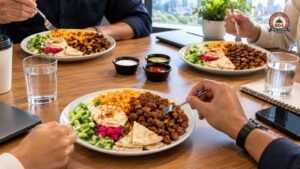
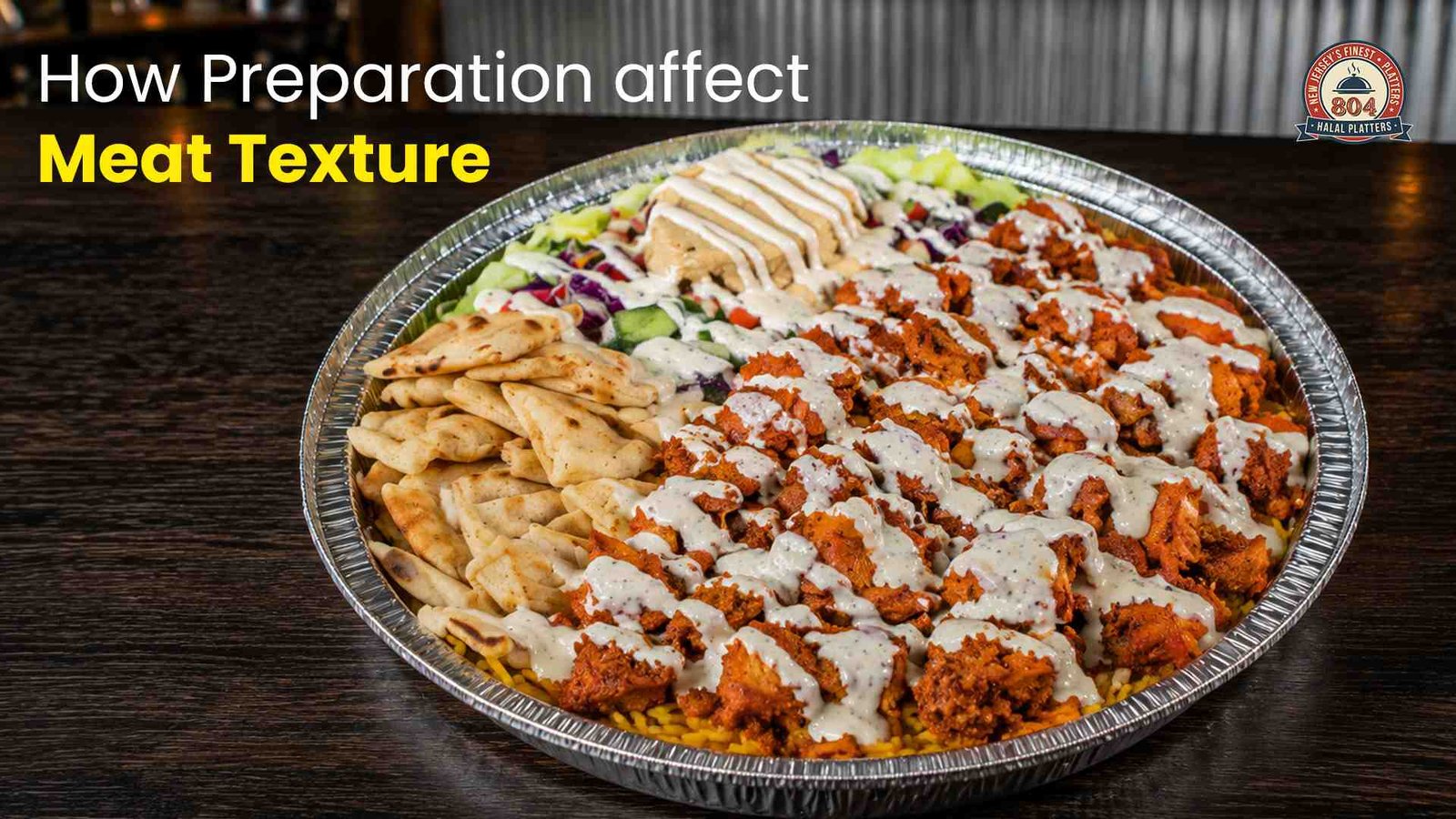
The menu of 804 Halal Platters not only includes the Chicken Platter, Chicken Boti Over Rice, Grilled Chicken Pita, and Chicken Wrap, but also allows one to eat chicken with different types of meat and seasoning while it is still hot.
To judge the texture of the meat, one should opt for chicken that, when eaten, feels moist and gives way with ease to the biting teeth rather than being too hard or stringy.
Understanding the Texture of Lamb
It is no wonder that beef feels and acts in a completely different way from chicken. It all depends on the cut and the cooking technique – the meat can deliver a firmer, richer bite and yet remain tender if you know how to do it.
Among others, the menu features dishes such as a Lamb Platter, Chicken & Lamb Combo, Lamb Pita, and Lamb Wrap on the 804 Halal Platters.
A nice balance between the meat texture and the flavor of the dish is one of the key factors in a good meal. A well-seasoned meat is the best way to showcase the meat while making it a pleasure to the palate.
Grilled Meat and What Its Texture Reveals
Grilling is the process of using fire for cooking, which in turn exposes the meat surface directly to the flame. It’s a method that can result in a perfectly charred but not burned outer skin without compromising the interior. A great texture is that means created where both the exterior and interior layers play their roles to make up the overall appeal.
Food items like Grilled Kabab Over Rice and Chicken Pita offer clients various dishes, with grilling being the main method of food preparation. The moment you see that subtle difference between the light layer of grill on the surface and the juicy centre of the meat, it’s quite obvious to understand that the whole process has been done with the highest of care, resulting in the best possible outcome.
Crispy Does Not Mean Dry
Sometimes, meat dishes are not expected to be served the way that they are cooked, with the same texture. For instance, crispy chicken will be delicious on the outside but juicy on the inside.
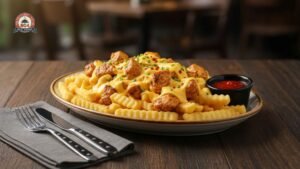
804 Halal Platters is a restaurant that gives customers Hot Chicken Platters and chicken tenders; these dishes differ A lot in texture and their degree of crispiness.
Meat texture is just another one of the elements that must be taken into account when evaluating a meal. It should so be considered not only based on the individual characteristics of the meat itself but also with taste, preparation, and the overall dish.
Texture and a Balanced Meal
Texture is also important when considering healthy halal food. A satisfying meal can combine tender protein with rice, fresh vegetables, and other sides to create variety in every bite.
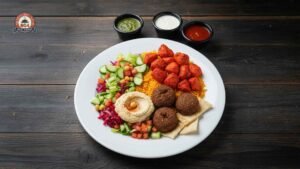
The menu includes platters served over rice as well as house salad, hummus, grape leaves, and falafel. These combinations can make a meal more interesting while providing different textures on the same plate.
What to Look for When Ordering
If you’re trying to identify well-prepared meat, pay attention to a few simple characteristics:
- Tenderness appropriate to the type of meat
- Moisture without excessive greasiness
- A texture that matches the cooking method
- Even cooking throughout the portion
- Seasoning that complements rather than masks the meat
These details can help you better understand meat texture and make more informed choices when dining out.
Choosing From the 804 Halal Platters Menu
If you’re wondering what to order at 804 Halal Platters, consider your preferred texture as well as your preferred protein. Grilled Kabab Over Rice may appeal to someone who enjoys a chargrilled exterior, while a Chicken Platter offers a classic combination of chicken and rice. The Lamb Platter and combination meals provide additional choices for diners who prefer richer flavours.
These options also make it easier to explore healthy halal food without limiting yourself to just one preparation style.
Why Preparation Makes the Difference
Even high-quality meat can lose its appeal when it is improperly cooked. Overcooking can make chicken tough, while insufficient cooking can affect both texture and food safety. Consistent preparation therefore matters as much as the ingredients themselves.
For customers seeking a reliable halal restaurant in New Jersey, looking at the menu and understanding how different dishes are prepared can help them choose meals that match their preferences.
Conclusion
Meat texture provides useful clues about how a dish has been prepared, from the tenderness of chicken to the distinctive bite of lamb and the charred exterior created through grilling. Understanding these differences can help diners make better choices and appreciate the preparation behind their meals.
For those looking for a halal restaurant in New Jersey with a varied menu of chicken, lamb, falafel, rice dishes, and platters, 804 Halal Platters offers a range of freshly prepared options. Whether you prefer classic zabiha halal platters or are exploring healthy halal food, there are different dishes to match your taste and preferred texture.
Want to explore the menu or find the right halal meal for your next visit? Contact us today to learn more about your options at 804 Halal Platters.