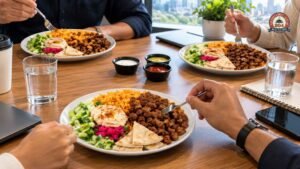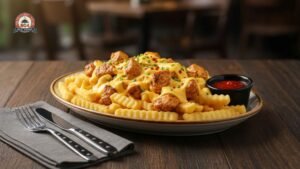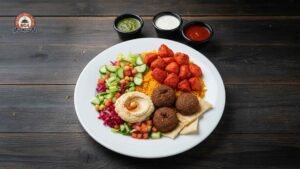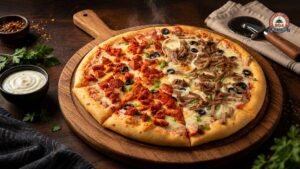
Step into any American town’s halal restaurant now and you will see a whole range of dishes that include rice, meat, kababs, and side dishes served altogether. You will feel like you are in a traditional street food environment, but actually the origins of such dishes have much wider connotations. The history of halal platter tradition has to do with migration and the movement of people, dishes, spices, and culinary traditions.
From Kabul to the Wider World
For a long time now, Afghanistan’s cuisine has been greatly influenced by its location between Central and South Asia. Ingredients like rice, grilled meat, kababs, spices, and dried fruits form the basic components of Afghanistan’s culinary culture. The same has been carried forward by the Afghan diaspora as they migrated around the globe.
If one takes the history of halal platter food into consideration, then the same can be used as an example to illustrate how dishes can change through time. An Afghan dish of rice and meat does not have to remain the same as it reaches a foreign land due to many reasons.
How Platter Culture Took Shape
Platter cuisine is especially sensible. Plenty of rice serves as the foundation, while the other components – the seasoned meat, vegetables, sauces, sides – offer diversity of tastes and textures within the same meal. This method is convenient for busy eaters since it’s substantial, portable, and easily customizable.
One aspect that contributes to this is the fact that the history of halal platter cuisine is not specific to one particular place or dish. It is a convergence of multiple cuisines of the Middle East, South Asia, Afghanistan, and America, for example.
Afghan Flavors in Piscataway
The rich cultural mix of Piscataway creates an ideal setting for the combination of foods from all over the world. A halal restaurant in New Jersey does not merely become a spot to get your lunch but an opportunity to experience new tastes, flavors, and seasonings that might seem unknown to you.
An introduction to Afghan cuisine comes through in a variety of rice-based and grilled dishes offered by halal restaurants. Although today’s plate might differ significantly from what was served in Kabul, the essence of combining aromatic rice and savory protein remains the same.
Why These Flavors Continue to Connect
Also, the history of halal platter food is one of comfort. While rice and spiced meat are humble components of a dish, they have the potential to be made into truly comforting dishes through proper cooking.
To those who seek premium halal food, these factors become very important in making sure that the familiar dish remains comforting while remaining luxurious at the same time.
From Tradition to Today’s Menu
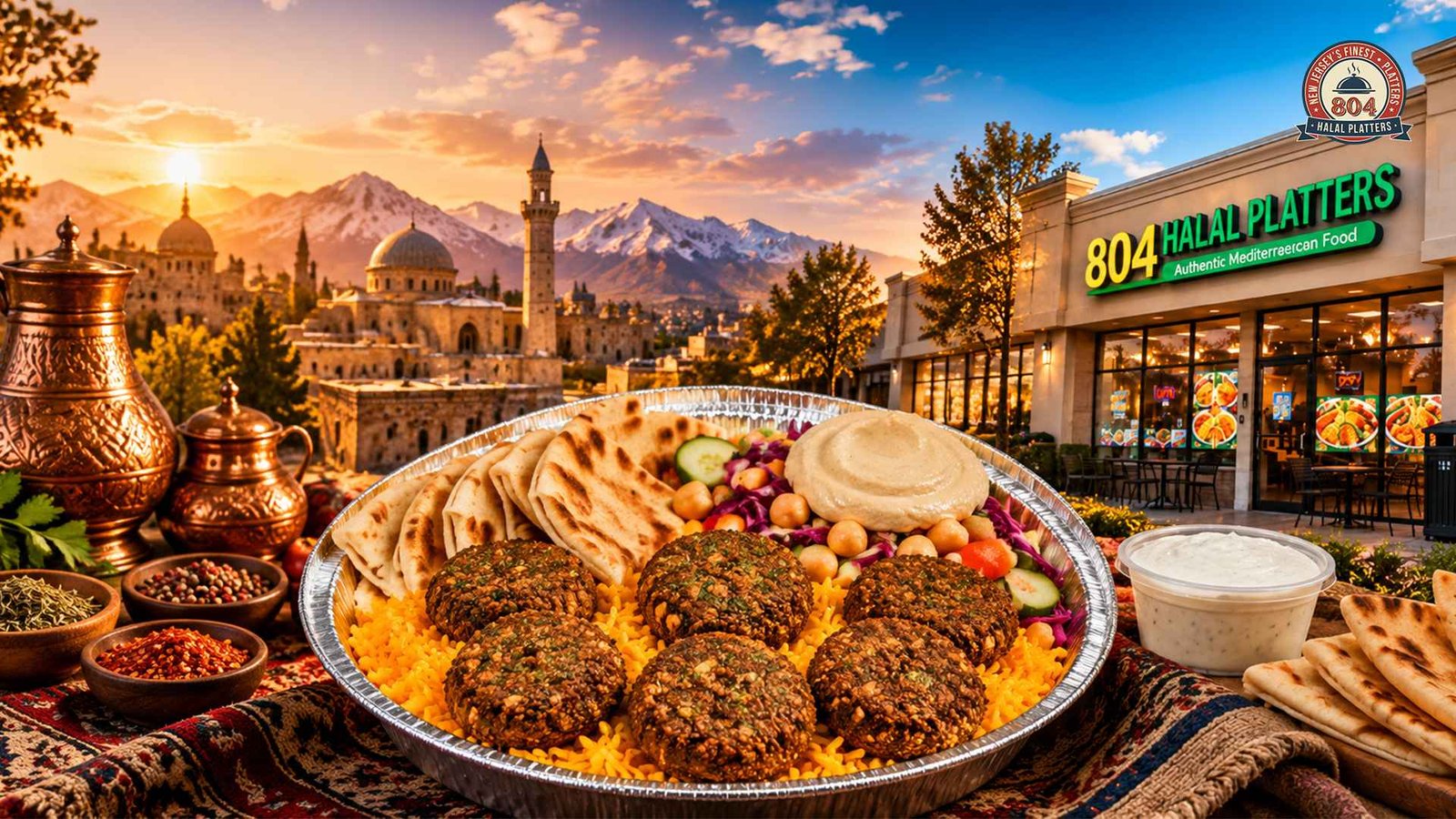
The modern halal menu can take influence from a variety of culinary cultures instead of having to follow a specific format. For example, a halal menu may have chicken, lamb, falafel, kababs, biryani, wraps, pitas, and rice dishes.
This becomes a very crucial aspect of the history of halal platter culture, in which food is transformed through sharing. A particular dish can maintain aspects of its culture of origin while at the same time acquiring a new character.
At a halal restaurant in New Jersey, this diversity can become one of the attractions of the dining experience.
More Than Just a Meal
The history of halal platter food eventually boils down to migration, change, and the natural tendency of humans to share tasty food. Recipes continue to travel and adapt from Kabul and other places in the area to various communities in New Jersey.
Our own history at 804 Halal Platters is an important part of the bigger picture of food history. The idea is to offer tasty halal food in Piscataway while offering people options that will serve for any situation, from a fast lunch to group get-togethers.
If you are looking for premium halal food, studying the history of halal platter culture, or just experimenting with new tastes, an excellent platter offers more than just a convenient meal option.
Want to explore the flavors for yourself? Contact us today to learn more about the menu and plan your next meal.